How Medical Device Trial Process Works

Medical device development requires rigorous testing to ensure safety and effectiveness. The medical device trial process is a structured sequence of steps. It verifies that devices meet regulatory standards before market release. This article explains the key stages and considerations in this process.
Overview of Medical Device Trial Process
The medical device trial process begins with preclinical research. This phase involves laboratory and animal testing to assess basic safety and functionality. Once preclinical data supports safety, clinical trials can start.
Clinical trials for medical devices differ from drug trials. They focus on device performance, usability, and safety in real-world conditions. Trials are designed to collect data on how the device interacts with the human body and its intended use.
The process typically includes:
Feasibility studies
Pivotal trials
Post-market surveillance
Each phase has specific goals and regulatory requirements.
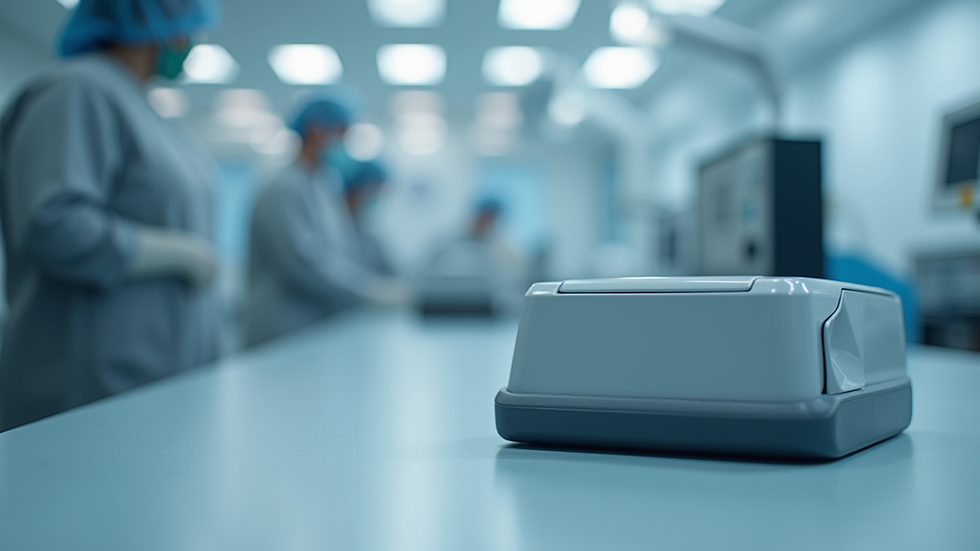
Key Phases in Medical Device Trial Process
Feasibility Studies
Feasibility studies are small-scale trials. They test the device’s basic function and safety in a limited patient group. The goal is to identify any immediate risks or design flaws.
These studies help refine the device and trial protocols. They provide initial data to support larger trials. Feasibility studies often involve 10 to 30 participants.
Pivotal Trials
Pivotal trials are larger and more comprehensive. They aim to demonstrate the device’s safety and effectiveness for regulatory approval. These trials involve hundreds of participants and multiple clinical sites.
Pivotal trials use controlled study designs. They may be randomized or non-randomized depending on the device and indication. Data collected includes:
Device performance metrics
Adverse events
Patient outcomes
Regulatory bodies require robust evidence from pivotal trials before market clearance.
Post-Market Surveillance
After approval, post-market surveillance monitors the device in real-world use. This phase detects rare or long-term issues not seen in trials. It includes:
Registries
Follow-up studies
Adverse event reporting
Manufacturers must comply with ongoing regulatory reporting requirements.

Regulatory Considerations in Medical Device Trials
Regulatory agencies set strict guidelines for medical device trials. These include:
Trial design approval
Ethical review board clearance
Informed consent from participants
Data integrity and monitoring
Compliance with standards such as ISO 14155 ensures trial quality. Regulatory submissions must include detailed protocols, risk assessments, and trial results.
In Turkey, regulatory authorities require local clinical data for device approval. This makes conducting trials within the region essential for market access.
Designing Effective Medical Device Trials
Effective trial design balances scientific rigor with practical constraints. Key design elements include:
Clear inclusion and exclusion criteria
Appropriate control groups
Relevant endpoints and outcome measures
Statistical analysis plans
Patient safety is paramount. Trials must include monitoring plans and predefined stopping rules for adverse events.
Collaboration with experienced clinical research organizations can optimize trial design and execution. This reduces delays and improves data quality.
Benefits of Structured Medical Device Trial Process
A well-executed medical device trial process delivers multiple benefits:
Validates device safety and performance
Supports regulatory approval and market entry
Builds clinician and patient confidence
Identifies potential improvements before launch
Companies gain competitive advantage by demonstrating robust clinical evidence. This is critical in the highly regulated MedTech industry.
For companies seeking to navigate this complex process, partnering with a reliable clinical research organization is key. They provide expertise in regulatory strategy, trial management, and data analysis.
Medical device clinical trials are essential for bringing innovative technologies to patients safely and efficiently.
Advancing Medical Device Trials in Turkey
Turkey offers strategic advantages for medical device trials. The country has a growing healthcare infrastructure and experienced clinical sites. Regulatory pathways support efficient trial approvals.
Croturk aims to be the go-to clinical research organization for pharmaceutical and MedTech companies looking to conduct high-quality, efficient clinical trials in Turkey. Their expertise ensures regulatory success and operational excellence.
Leveraging local knowledge and global standards, companies can accelerate device development and market access in this region.
This structured approach to the medical device trial process ensures devices meet the highest standards. It supports innovation while protecting patient safety.


